



Home charging · Ulm & region
Charge at home. Start well prepared.
Would you like to charge your electric car at home? Find the right starting point for your housing situation and prepare for your first conversation with a qualified electrical installer.
This page helps you prepare. A qualified installer assesses the electrical installation and connection.
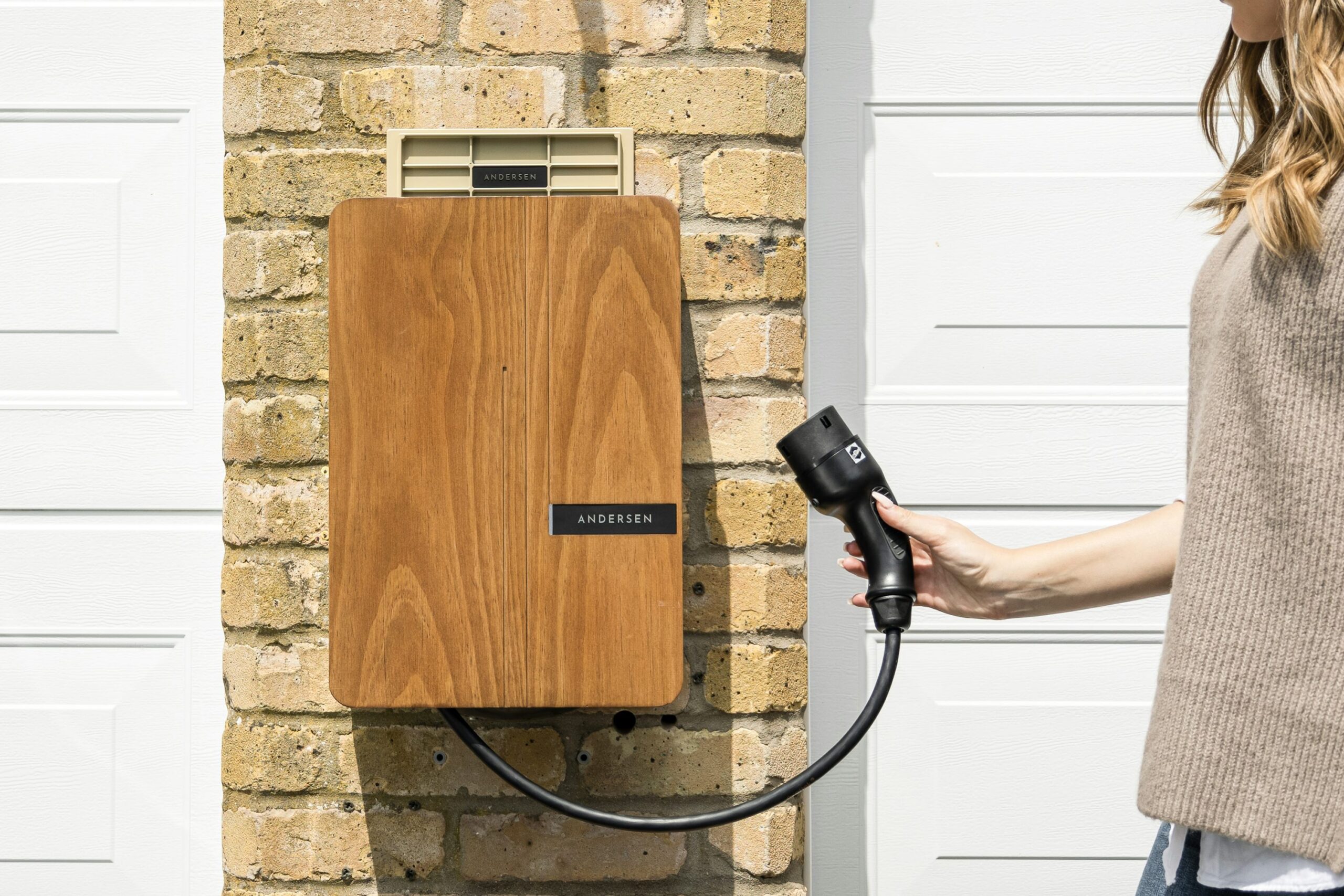
Key points at a glance
- Clarify your housing and parking situation: For your own house, start with an electrical contractor; if you rent or own a flat, first contact your landlord or property manager.
- Plan around your needs: Note your usual driving distances and parking times. Use the charging-time calculator for an initial estimate.
- Arrange an on-site assessment: Have the connection, meter cabinet, cable routes and protection equipment checked. Include planned solar PV or additional charging points.
- Agree on the full scope: Compare the charger, installation and running costs. Clarify registration, control arrangements and the handover with your contractor.
01 · Getting started
How do you live and park?
Open the description that fits your situation. Each starting point gives you a practical next step.
I have a parking space at my own house.
Do you make the decisions about the house and parking space? Our guide takes you from energy needs through an on-site assessment and a complete quote to registration and commissioning.
Your next step: Open the guide for your own house and use it to prepare for an appointment with an electrical installer.
I rent or own a flat in a homeowners’ association (WEG).
If you rent, start with your landlord; if you own a flat, start with the property management. Our separate guide takes you from the initial discussion to preparing your appointment.
Your next step: Choose your route in the guide, estimate your charging needs and put together your discussion checklist.
I do not have my own parking space.
First look for charging near home, at work or along your usual routes. Check access, availability, price and how long you can park.
Your next step: Compare two or three charging locations that fit your daily routine.
I am not yet sure which option suits me.
Start with your usual journeys: where is the car parked for longer periods, who makes decisions about that space, and what charging options already exist?
Your next step: Record your journeys and parking times for a typical week.
The charging check provides guidance; it cannot grant technical connection approval.
Already know what you are looking for?
Your path at your own house
From an initial idea to a charger ready to use.
Start with your journeys and parking space. Then develop the right solution with a qualified electrical installer who assesses the situation at your house.
- Estimate charging needs: How much energy do your journeys require, and when is the car at home?
- Prepare for an on-site assessment: Discuss the parking space, cable route, meter cabinet and other planned projects.
- Obtain a complete quote: List equipment, installation work, controls and running costs separately.
- Clarify registration and coordination: Identify the responsible grid operator and the required steps together with the installer.
- Have it installed, tested and explained: Receive the documents and learn how to use the charger.
- Try it in everyday use: Observe charging times and consider existing or planned solar equipment.
If several parties share responsibility for the house, driveway or parking space, clarify responsibilities early. For tenants and flat owners, see the separate guide.
Your journeys · Your charging window
Is there enough time to charge?
Estimate how much electricity your journeys require and how long recharging takes at an assumed average charging power.
Electricity required
– kWh
Calculated charging time
–
Please enter your values.
How the calculation works
Electricity required = distance × consumption per 100 km ÷ 100. Charging time = electricity required ÷ average power at the charge point. Energy available in the window = average power × available hours. The comparison uses unrounded values; times are rounded up to whole minutes.
At zero kilometres, these journeys require no recharging. At zero power, no energy can be charged. Zero electricity consumption is not a meaningful assumption for this comparison.
What the result means
The result applies to the distance entered and the assumed average charging power. It describes neither a full battery charge nor a charging curve. The vehicle, temperature, battery level, power limits and charging pauses can change the actual time. Allow some extra time.
Consumption and power refer to electricity at the charge point. Charging losses are already included in consumption and are not added again. Consumption shown by the car may not include charging losses.
This calculator does not design an electrical installation or grant connection approval. Ask your installer whether the assumed power is available at your location.
This calculator does not transmit or store your inputs. Calculations run in your browser.
02 · Well prepared
Five points for your first conversation.
- Parking space and building: Where is the car parked? Is the space allocated to you? Note its location and approximate distance from the building.
- Journeys and charging times: How many kilometres do you usually drive? When, and for how long, is the car parked there?
- Vehicle: Which model do you have or plan to buy? What charging power does it support, if known?
- Responsibilities: Who makes decisions about the parking space and building? Record your contacts at the landlord or property management.
- Other projects: Do you have or plan solar PV, a heat pump or additional charge points? Mention possible future extensions too.
Photos of the parking space and meter cabinet can help. Keep covers closed and do not carry out any electrical work.
Take it to your appointment
The five points are also available as a checklist with space for your notes. Gather what you already know; questions can remain open.
PDF · 1 page · for printing. All preparation points are also available on this page.
What should the installer assess at your house?
- Existing installation and power requirements: Grid connection, meter cabinet, existing circuits and appliances used at the same time.
- Cable route and installation location: Distance to the parking space, required building work and an accessible charger position.
- Protection and controls: Required protective equipment, implementation of grid control requirements and load management where needed.
- Extensions: Additional charge points, solar PV or a heat pump, with suitable communication and cable routes.
Commission a company listed in a grid operator’s installer register for the new electrical installation. Legal basis: Section 13 NAV
Use the Ulm Netze installer search to find a suitable company. Ask about experience with home chargers and an assessment of your specific situation.
Quotes and operation
A matching scope makes quotes comparable.
Ask for an itemised quote based on the on-site assessment. Clarify which services are included, which requirements remain unresolved, and how additional work will be agreed.
One-off services
- Charger with the agreed functions, fixings and installation.
- Cables, cable routes and any excavation or wall penetrations.
- Required adjustments to the electrical installation and meter cabinet.
- Protective equipment, communication and controls; load management if needed.
- Planning, coordination, registration, testing, commissioning and documentation.
Running costs
- Charging electricity and any additional tariff or metering costs.
- Any required software, app or communication services.
- Agreed maintenance, service or later changes.
Ask for necessary services and optional extras to be listed separately. Also record contract terms and recurring fees.
Before placing the order: Record the scope, total price, outstanding items, responsibilities and schedule in writing. If you intend to use funding, check the current conditions and required application timing.
Parking in a building with several households? There is a separate funding route: Funding for charging infrastructure in multi-household buildings. First check whether the building, applicant and planned infrastructure meet the conditions. This route does not imply funding approval for an individual charger at your own house.
What do my two quotes include?
Use two quotes to review upfront cost, included work and recurring fees. Missing information becomes a list of questions.
Compare home charger quotes
Compare package prices, included work and recurring fees for the same project. Unknown items remain open. All amounts include applicable tax and are entered before grants.
Method and limitations
Upfront cost = package price plus additional amounts. Total over the period = upfront cost plus (12 × monthly fees + other annual costs) × years. Included services are not added again. Constant prices; electricity, parking, finance, inflation, replacements, residual values and grants are excluded. This is no technical assessment or binding cost allocation. Obtain a matching offer from an electrical contractor.
Charging at home and on the move
What does your charging electricity cost?
Compare two charging options for the same journeys. Adjust the prices or the share of energy charged at home.
Illustrative example · not current tariff offers. Replace the values with your own figures.
Scenario A
– € / year
– per 100 km
Scenario B
– € / year
– per 100 km
Please enter your values.
Electricity required in both scenarios: – per year.
The initial values are illustrative assumptions, not current tariff offers. Purchase, installation, maintenance, fixed fees, session fees and idle fees are excluded. The results provide guidance on charging electricity costs only.
How the calculation works
Annual charging electricity = kilometres per year × consumption ÷ 100. The average energy price is weighted by the two prices and their energy shares. Annual cost = annual electricity × average energy price. Cost per 100 km = consumption × average energy price.
Annual costs and the difference are calculated from unrounded values and rounded separately to whole euros. The difference may therefore vary from subtracting the displayed annual costs.
Charging losses and solar power
Use electricity consumption including charging losses. Consumption shown by the car may not include these losses. Do not count losses twice if they are already included.
For solar power, you can use a justified blended price for home charging. This calculator does not determine solar generation, timing, battery effects or the economics of a PV system.
This calculator does not transmit or store your inputs. Calculations run in your browser.
Open the full vehicle comparison
This tool compares charging electricity costs. To compare two vehicles including purchase price, resale value and running costs, use the total vehicle cost calculator.
Coordinate with the grid operator
Clarify registration, approval and control requirements.
Charging equipment must be reported to the grid operator before commissioning. If its combined rated apparent power exceeds 12 kVA per electrical installation, the operator’s prior approval is also required. Multiple charge points are considered together. Ask your installer to clarify how your project is classified. Section 19 NAV
Agree with the installer who will handle the documents, registration and commissioning notification. If your house is in the Ulm Netze electricity grid area, use its grid portal. Local connection information
What do the control requirements under Section 14a EnWG mean?
New non-public charging equipment with a grid connection power above 4.2 kW in the low-voltage network is generally subject to control requirements if commissioned on or after 1 January 2024. Grid power draw may be temporarily limited under the applicable rules.
With direct control, at least 4.2 kW per controllable device is generally available. With control through an energy management system, a combined minimum power is calculated. Normal household consumption, such as lighting and refrigeration, is not affected. Rules and exceptions from the Bundesnetzagentur
Discuss early how the controls will be implemented and which metering and grid fee model is suitable. Ulm Netze: controls and grid fees
If your charger cannot implement the specified power limit exactly, it must use a lower supported level. With simple on/off control, this can mean a charging pause. Ask to be shown how the specific model behaves.
Which grid fee modules are available, how does metering work, and what applies to older devices? Our guide explains Section 14a for chargers, heat pumps and batteries. Understand controls and grid fee modules ?
Section 14a update checked on 28 September 2026: Bundesnetzagentur: control requirements.
Who is responsible for what?
- You: Explain your needs and other planned projects, provide documents and commission the agreed work.
- Electrical installer: Assess the existing installation, plan the work, support the agreed registration process, then install, test and document it.
- Grid and metering operators: Clarify connection and control issues, or the necessary metering and control equipment, within their respective responsibilities.
Complete the installation
Receive the documents and an introduction.
After installation, ask for a demonstration of the agreed functions. Go through the handover with the installer and record outstanding points.
- Documents: Receive testing and commissioning records, equipment details, operating instructions and evidence of the agreed notifications.
- Operation: Learn how to start and stop charging, adjust settings and use access controls if provided.
- Controls: Clarify which functions are configured, how any energy management system works, and whether the metering operator still needs to complete any steps.
- Service: Record the responsible contact, agreed maintenance and what to do if a fault occurs.
During the first few weeks: Observe whether charging times and settings suit your journeys. Discuss any issues with the installer. Changes to the electrical installation must be made by qualified professionals.
Home charging and other projects
Could your solar roof help charge your car?
If the car is at home during the day, solar power available at the same time can help with charging. Mention existing or planned solar PV, battery storage and heat pumps at your first appointment.
Have the compatibility of the equipment and controls checked. Also ask what happens in weak sunlight and how your desired departure time is taken into account. A suitable annual solar yield alone does not show whether electricity is available at your charging times.
How does the combined power demand change when several cars charge at different times? Why does charging time matter too? →
Frequently asked questions.
Do I really need 22 kW?
What matters is the charging power supported by your car, your journeys, the available charging time and the electrical installation. Discuss your actual requirements with the installer.
Can I install a charger in an underground car park?
This needs to be assessed for the specific building. Start with the property management and an installer, and allow for possible additional charge points.
Can EnergyCheckUlm assess my grid connection?
EnergyCheckUlm helps you prepare. A qualified installer and the responsible grid operator handle the technical assessment. The charging check cannot grant connection approval.
Make it practical
Prepare for an assessment at your house.
Record your driving distance and charging window, gather the parking space details and mention any other planned equipment. Use this information to arrange an appointment with an electrical installer. Then ask them to explain the proposed work, costs and next coordination steps.
Sources and editorial information
- Section 13 NAV: work on the electrical installation
- Section 19 NAV: notification and approval before commissioning
- Ulm Netze: registering charging equipment
- Ulm Netze: installer search
- Ulm Netze: controllable devices and local information
- Bundesnetzagentur: affected equipment and control requirements
Sources checked on 17 September 2026. The process, quote comparison and handover points are editorial preparation aids. Professional assessment and the requirements of the responsible organisations govern implementation. Calculator assumptions are stated beside each tool.